
Accessibility Accommodations: If you need special disability accommodations for accessing any information on this website, please contact Professional & Continuing Education. For accommodations for an event, workshop, or online or on-campus class, please contact the Accessibility Resource Center.
Forensic Archaeology: Field Recovery Methods
summer 2027 dates tba
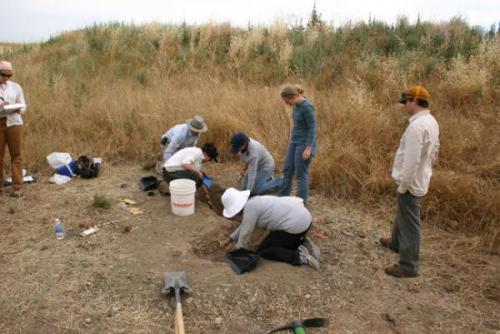
This intensive, five-day course will cover applications of archaeology, anthropology, and forensic science to the location and recovery of human remains from outdoor scenes.
Lectures and presentations will cover:
- Methods for locating and mapping surface finds of human remains
- Search strategies for locating clandestine graves
- Archaeological methods used for excavating, documenting, and interpreting grave sites
Supplemental course material will include lectures on forensic anthropology, the recovery of burned remains from fire scenes, interpreting taphonomic events, and the role of archaeology and forensic anthropology in larger-scale investigations.
The first two days of the course entail both lectures and workshops. The outdoor portion of the course (final three days) addresses practical applications for the search, location, and recovery of human remains from both buried and surface contexts through simulated outdoor forensic scenes.
Faculty
- Ashley Kendell, PhD, D-ABFA, Biological Anthropology
- Amber Plemons, PhD, Biological Anthropology
- Eric Bartelink, PhD, D-ABFA, Biological Anthropology
- Colleen Milligan, PhD, D-ABFA, Biological Anthropology
- Carly Whelan, PhD, Archaeology
- Brian Brazeal, PhD, Visual Anthropology
Sample Schedule
Day 1: Lecture Day | |
| 8am-12pm | Introduction to the workshop, forensics, archaeology and case studies |
| 12-1:30pm | Lunch: Bring own or go downtown |
| 1:30-3pm | Introduction to survey and mapping techniques |
| 3-5pm | Evidence photography |
Day 2: Lecture Day | |
| 8-Noon | Human vs. nonhuman and taphonomy workshops |
| 12-1:30pm | Lunch: Bring your own or go downtown |
| 1:30pm-3:30pm | Locating and assessing graves |
| 3:30-5pm | Excavation and recovery methods, chain of custody |
Day 3: Field Day | |
| 8am-5pm | Outdoor simulation of surface mapping and compass techniques. Bring your own lunch or go downtown. |
Days 4 & 5: Field Days | |
| 8am-5pm | Outdoor simulation of survey techniques and excavation of remains. Bring a bag lunch, sunscreen, and water. |
Meet the Faculty
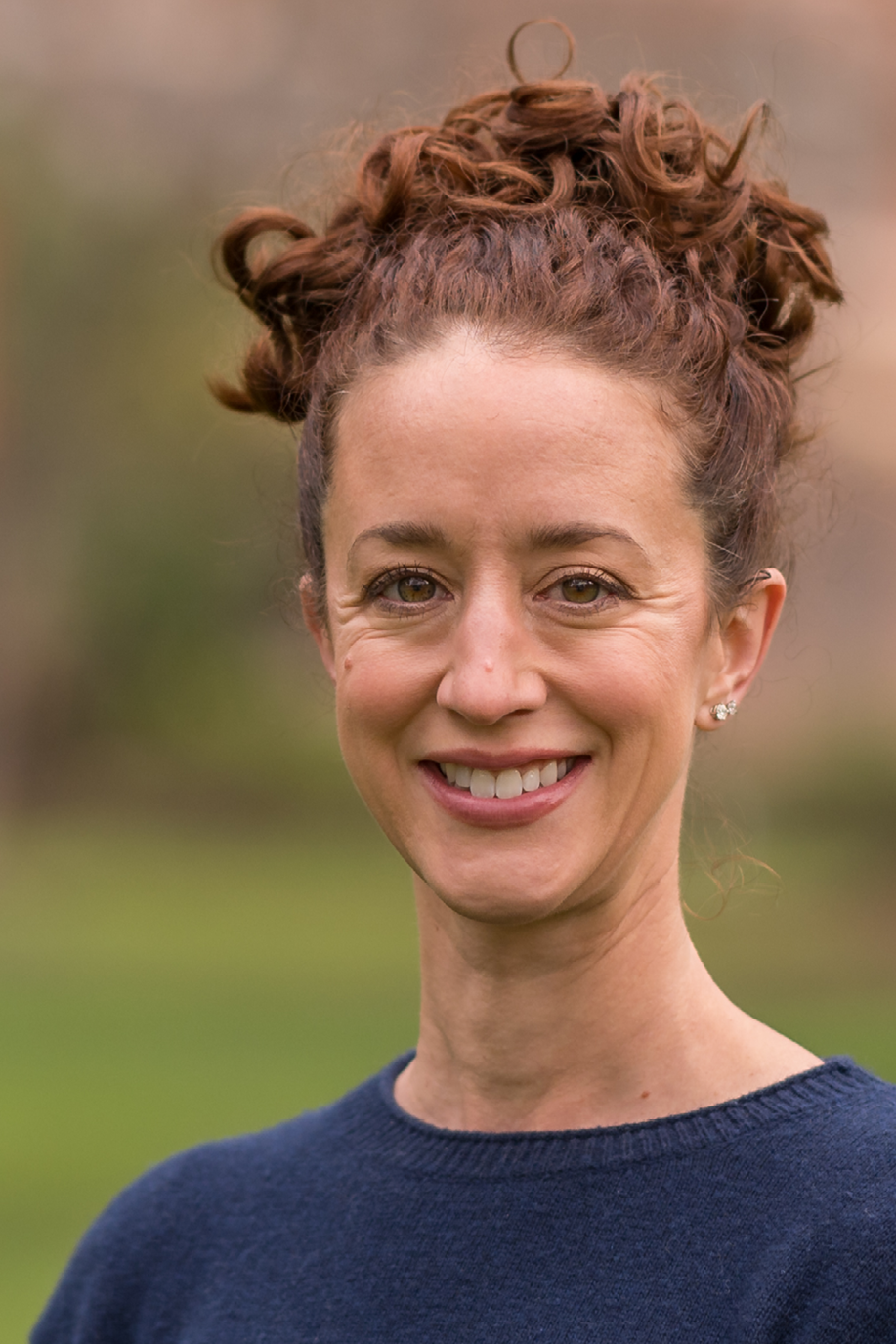 Dr. Ashley Kendell is an Associate Professor and Board-Certified Forensic Anthropologist at California State University, Chico. She is the current Director of Chico State’s Human Identification Lab and is also a POST-certified instructor who teaches forensic anthropology and archaeology through the Institute of Criminal Investigation. While completing her doctorate at Michigan State University, she worked as a Medico-legal Death Investigator and was a Registry Diplomate of the American Board of Medicolegal Death Investigators for five years. Her current research focuses on developing standards for sample collection to identify wildfire victims using Rapid DNA technology.
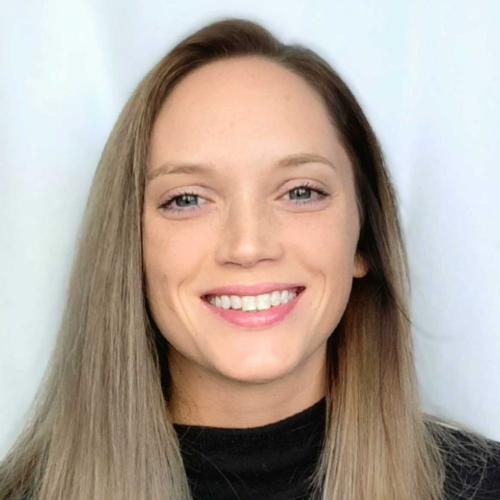 Dr. Amber Plemons is a forensic anthropologist and Lab Supervisor of the Human Identification Laboratory at California State University, Chico. She oversees forensic casework including skeletal analysis; manages laboratory operations; supervises student interns and graduate researchers; and leads ongoing development of new laboratory infrastructure and training initiatives. Dr. Plemons conducts research in human variation, population affinity estimation, juvenile age estimation, and digital ethics in forensic anthropology. She is involved in collaborative research and casework with domestic and international partners, including humanitarian efforts with the International Committee of the Red Cross.
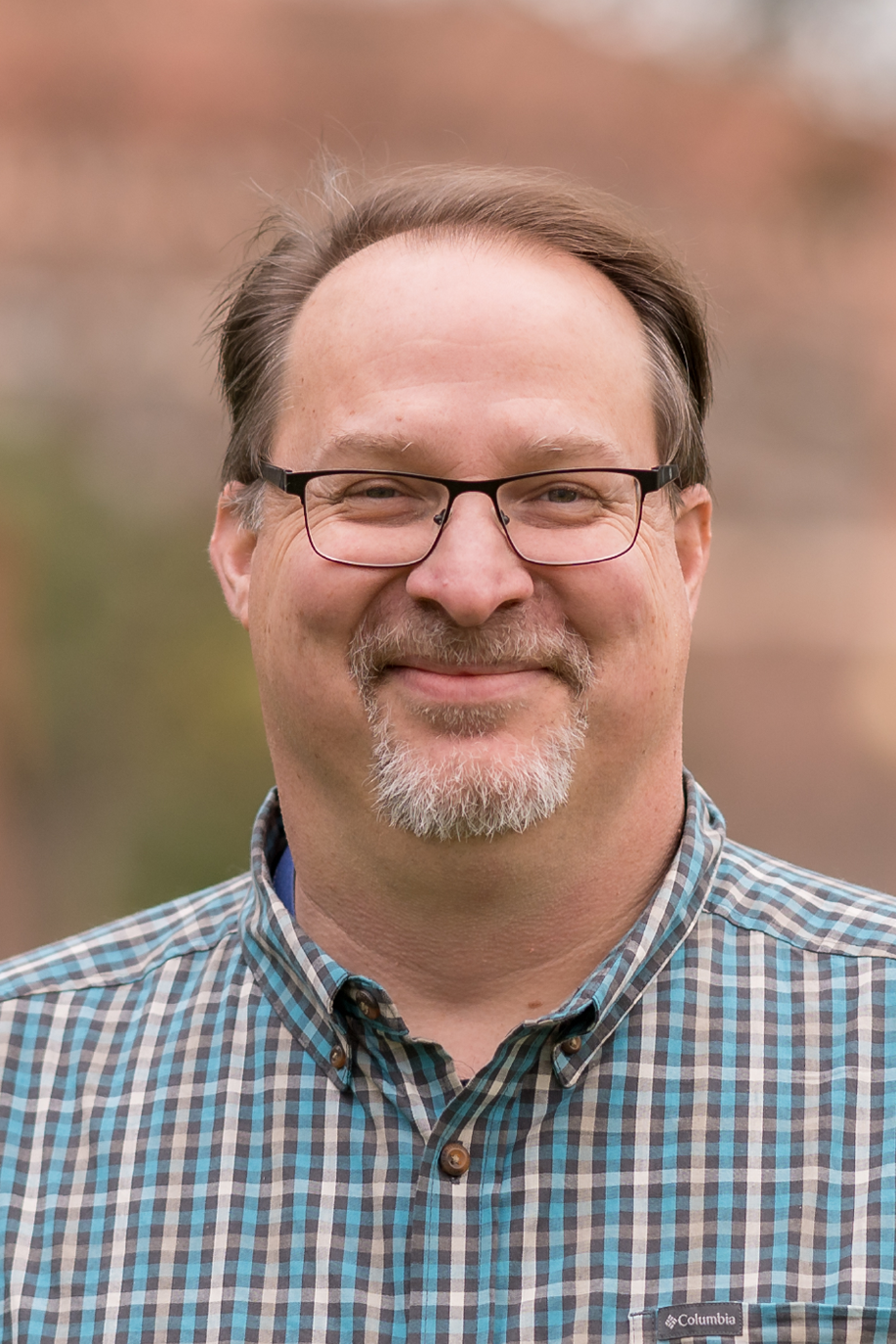 Dr. Eric Bartelink is a full professor in the Anthropology Department at California State University, Chico. He is a biological anthropologist with academic interests in human skeletal biology, forensic anthropology, and stable isotope analysis. His expertise is in forensic anthropology, bioarchaeology, paleodietary reconstruction using stable isotope analysis, and California prehistory. He has worked on international forensic cases in Bosnia-Herzegovina, on the World Trade Center victim identification effort, and on numerous wildfire victim recovery events. He has taught numerous courses and given lectures concerning the identification of human remains, forensic anthropology, excavation methods, and locating clandestine graves. He is a Diplomate of the American Board of Forensic Anthropology (#89) and a certified Peace Officers Standards and Training (POST) instructor.
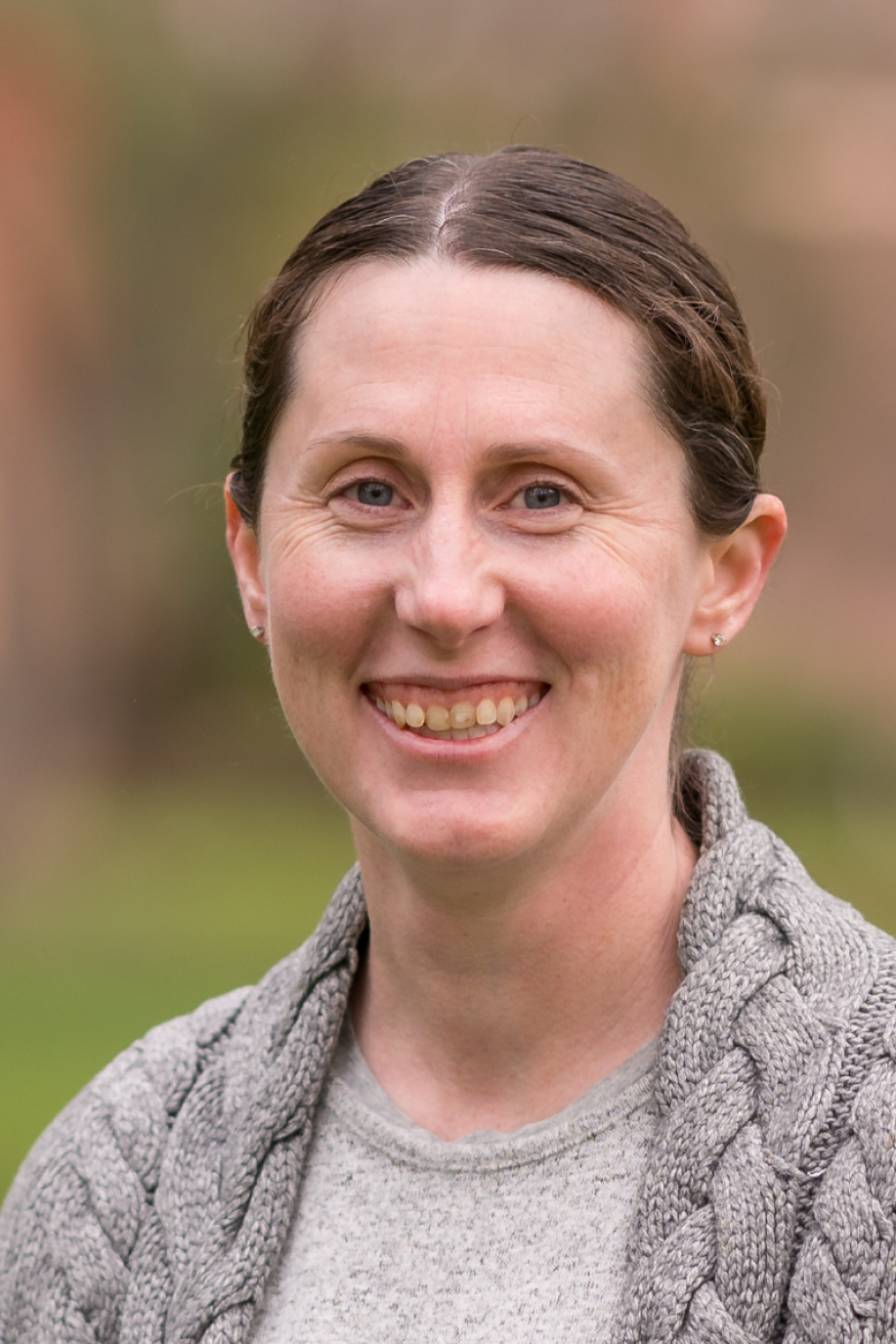 Dr. Colleen Milligan is a full Professor in the Department of Anthropology at California State University, Chico. She is a biological anthropologist with primary research interests in bioarcheology, skeletal biology, forensic anthropology, and urban history and public health. She has worked internationally on bioarchaeological projects in both the UK and Belize. Dr. Milligan has worked with various government agencies on policy development related to mass fatalities within the United States as part of a three-year fellowship with the Department of Homeland Security. She has also assisted in training courses for local, state, and federal law enforcement officers. She is a certified Peace Officers Standards and Training (POST)instructor.
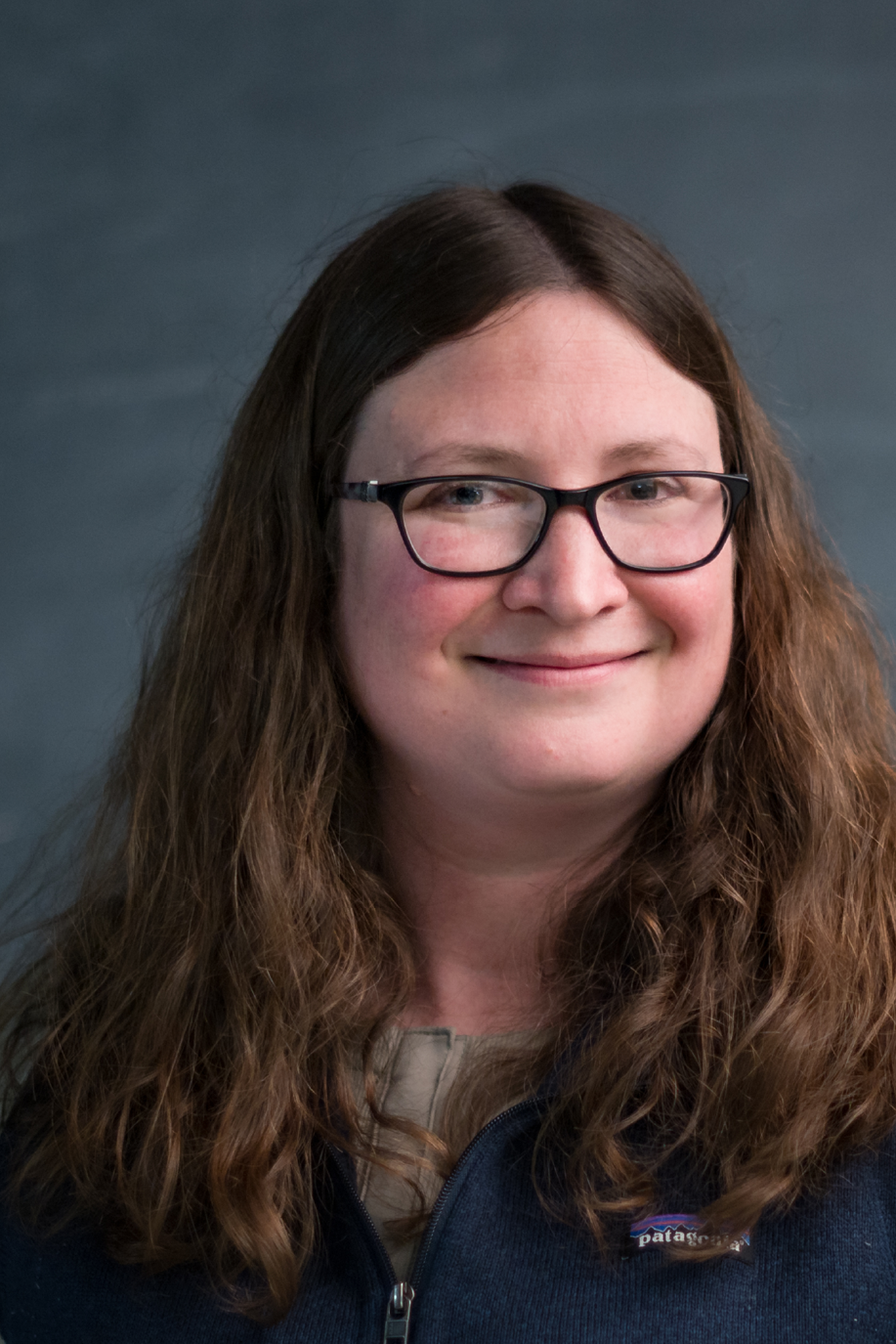 Dr. Carly Whelan is an Associate Professor in the Anthropology Department with a specialty in archaeology. Prior to joining the Chico State faculty, Dr. Whelan taught at Cosumnes River College in Sacramento and UC Davis, where she received her PhD. She conducts most of her work in northern California, but has also participated in excavations in her home state of Texas, and in a DPAA recovery project in Poland. Dr. Whelan's research examines the dynamic pre-contact lifeways of the people of California. She studies change in the subsistence economies, settlement patterns, and exchange networks of the central and northern Sierra Nevada, with an interest in the role that women played in shaping these systems.
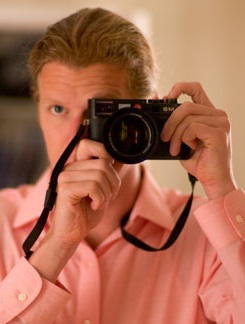 Dr. Brian Brazeal is a cultural and visual anthropologist who studies religion and economy with a focus on the global trade in gemstones.